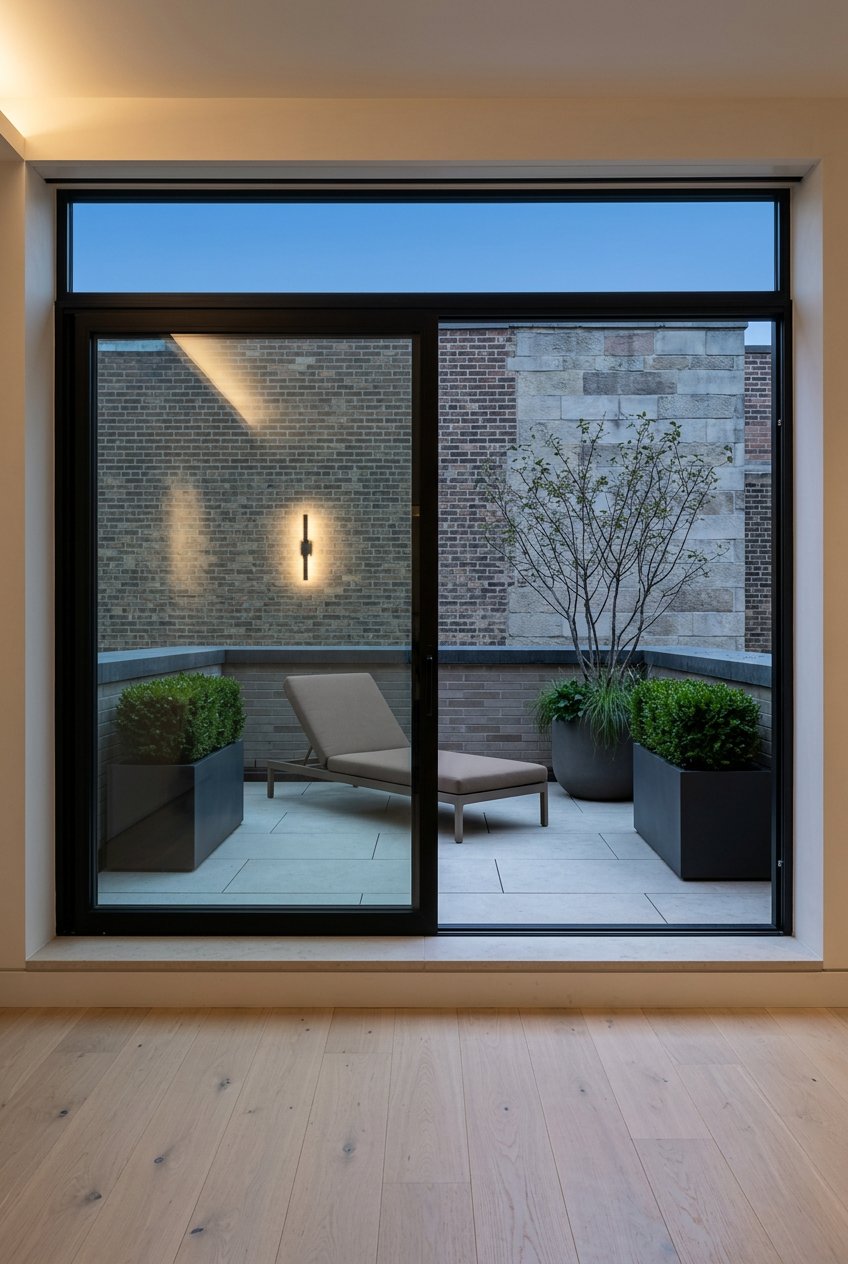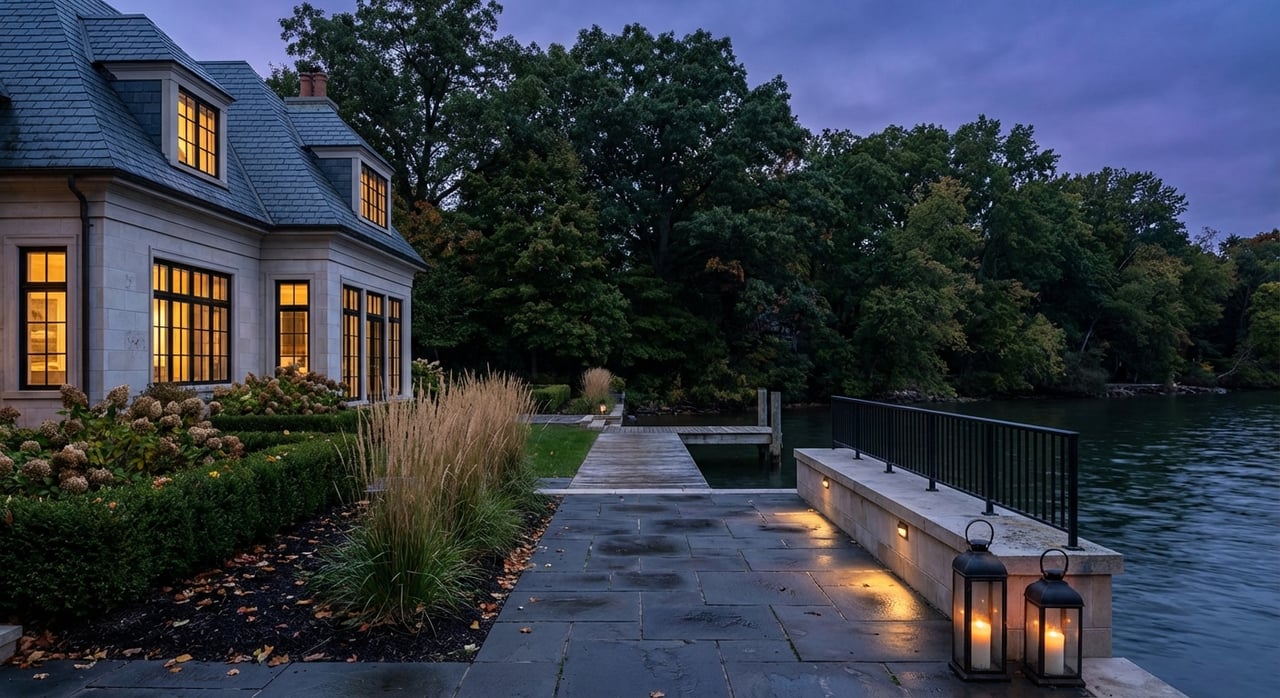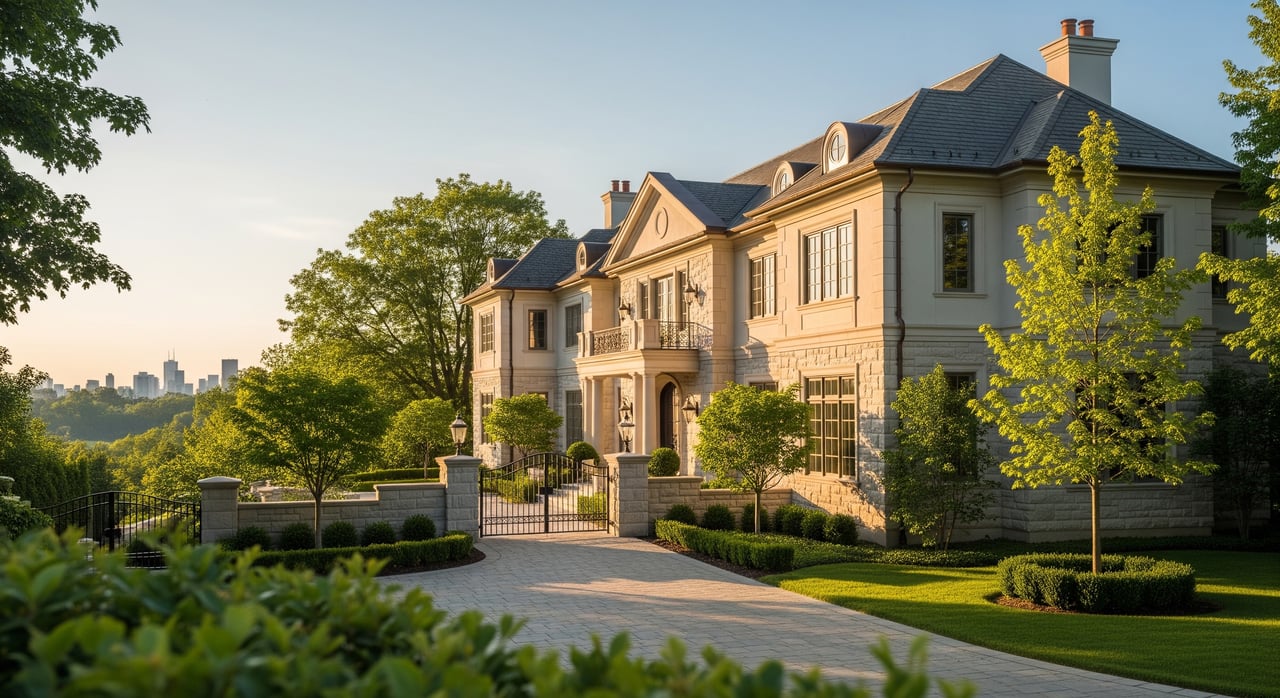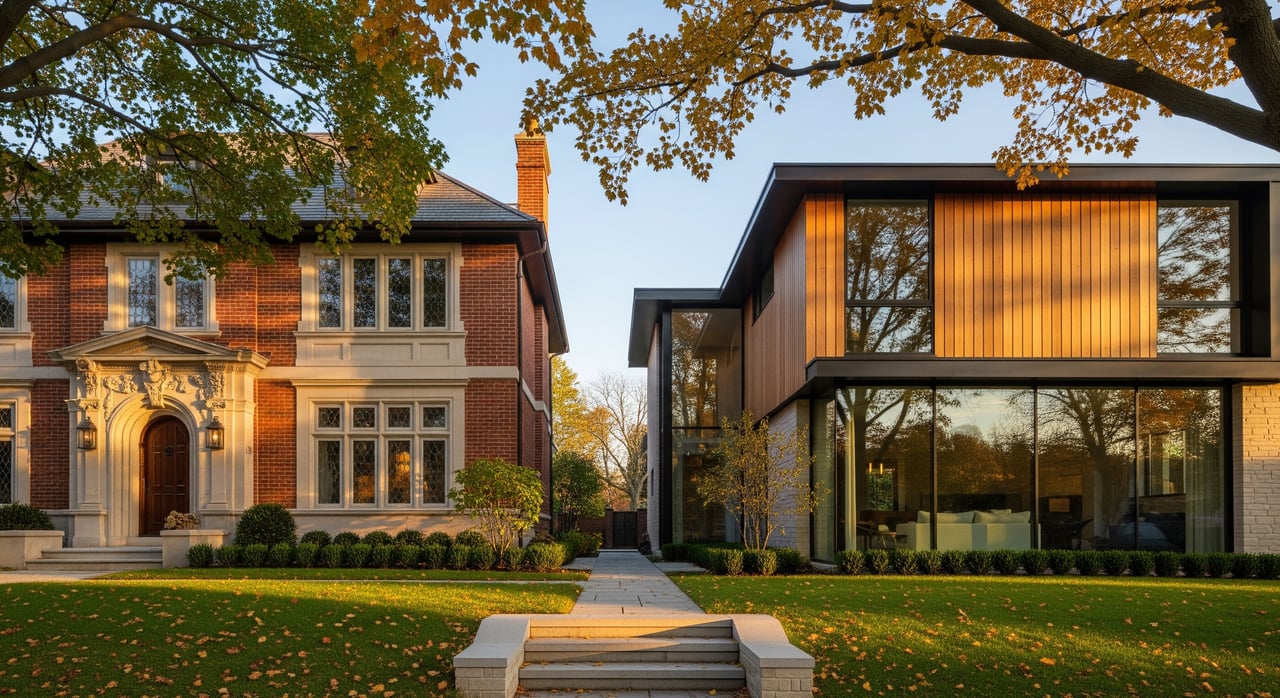
Deciding between a brand-new build and a high-quality rebuild in Bedford Park can feel like a fork in the road. You want a turnkey home that fits your lifestyle and the neighbourhood, without surprises on cost or timing. In this guide, you’ll learn how each option compares on permits, timelines, costs, warranties, energy performance, and resale, plus a practical checklist to make a confident choice. Let’s dive in.
What “new-build” and “rebuild” mean in Toronto
A new-build is a newly constructed home on a lot that has gone through the full building-permit process. A rebuild typically means demolishing an existing structure and constructing a new home on the same lot. In both cases, you need the City’s approvals and permits.
You will apply for a demolition permit before tearing down an existing home and a building permit for the new construction. The City of Toronto outlines what to submit for both, including plans and technical documents, on its building and demolition pages. Review the City’s process for building and demolition permits to understand submittals and timelines.
Permits and timelines in Bedford Park
Most Bedford Park lots fall under the City of Toronto Zoning By-law, which sets limits on height, setbacks, and lot coverage. If your design fits the rules, your timeline focuses on permit review and build time. For many buyers, that ranges from roughly a year to two years from deposit to occupancy, depending on builder schedule and site conditions.
If your plans deviate from zoning, you may need minor variances through the City’s Committee of Adjustment. That process includes public notice and can add weeks or months. Learn how the process works on the City’s Committee of Adjustment page, and budget extra time for reviews, possible redesigns, or appeals.
Costs and contingencies to expect
With a new-build from an established builder, the contract price for the home is usually clear up front. Still, plan for add-ons like premium lot pricing, upgrades, landscaping, and utility or development-related fees. Ask your builder to itemize what is included and what counts as an upgrade.
A custom rebuild can introduce more variables. Unknown site conditions, required remediation, or service upgrades can surface after work begins. In both paths, you should plan for soft costs such as architect and engineering fees, permits, grading, and tree-related requirements. A prudent construction contingency is typically 5 to 15 percent, depending on scope and unknowns.
Warranties and consumer protection
New detached homes sold by registered vendors in Ontario are protected by Tarion. Coverage includes one-year for defects, two-year for select mechanical and building envelope elements, and seven-year for major structural items. Review current details and confirm a builder’s enrolment via Tarion’s warranty information and builder directory.
Since 2018, Ontario requires builders and vendors to be registered with the Home Construction Regulatory Authority. Before you purchase, verify your builder on the HCRA public register. For custom rebuilds, Tarion may not apply unless the project qualifies as a new home sale with a registered vendor. In those cases, rely on a detailed construction contract and written warranties for structural, waterproofing, mechanicals, and finishes.
Energy performance and comfort
All new construction and major rebuilds must meet the Ontario Building Code requirements in force at permit issuance. Energy rules evolve over time, so a newly permitted home generally benefits from stronger efficiency standards. You can review the current regulation text for the Ontario Building Code.
For lower operating costs and better comfort, ask for mechanical specs, insulation values, window ratings, and air-sealing strategies. Third-party labels, such as EnerGuide, can provide independent verification. Explore guidance from NRCan on energy efficiency and home labelling and confirm if incentives are available. Programs change, so verify eligibility early.
Resale and neighbourhood fit
In mature areas like Bedford Park, homes that respect lot lines, height, and streetscape tend to perform better on resale. A design that blends modern systems with neighbourhood-appropriate scale can be especially compelling. Compare recent local sales of new-builds and rebuilt homes to ground expectations for pricing and days on market.
Work with your agent to review planning context and design direction before finalizing plans. Aligning architecture, massing, and siting with the surrounding blocks reduces approval risks and supports long-term value.
Buyer due diligence checklist
Use this list to evaluate any specific property or builder:
- Title and survey
- Order a current title search through your lawyer to confirm ownership, easements, and legal lot dimensions.
- Permits and municipal records
- Review the property’s City permit history, any demolition permit documentation, and zoning category. Consult the City’s pages for building and demolition permits and the Committee of Adjustment.
- Trees and site constraints
- Check if private tree removal or protection applies. Learn requirements on the City’s tree protection and private tree rules.
- Builder and warranty verification
- Confirm builder registration on the HCRA public register and Tarion enrolment and coverage via Tarion. Collect references and proof of insurance.
- Plans and specs
- Request architectural, structural, HVAC, and electrical drawings. Ask for energy compliance documentation and any third-party ratings.
- Site and environmental
- Ask for geotechnical reports if available, and verify basement waterproofing and sewer lateral condition.
- Financing and insurance
- For rebuilds, understand draw schedules, lien waivers, and holdbacks. Review options with your lender and see CMHC guidance on construction mortgages.
- Final inspections
- Ensure all municipal inspections are signed off and that you receive occupancy approval as required.
Financing options and timing
If you are buying a completed new-build, financing may resemble a standard resale purchase. For pre-construction or under-construction purchases, deposits and occupancy arrangements can vary by builder. If you plan a custom rebuild, most buyers use a construction-to-permanent mortgage with staged draws. Lenders will require documentation, inspections, and lien protections. You can review high-level considerations with CMHC’s construction mortgage resources.
Build timelines in Toronto can shift with permit queues, variance hearings, weather, and supply chains. Set realistic buffer time, and plan temporary housing if needed. Clear contracts and milestone schedules help manage expectations.
Vet your builder like a pro
- Verify registration and standing on HCRA, and warranty enrolment with Tarion.
- Review City permit histories for patterns of approvals and changes.
- Speak with recent clients about timelines, change orders, and warranty response.
- Request a detailed specification book, sample contract, insurance certificates, and typical schedule.
Builders who document clearly, use consistent trades, and close on time reduce your risk and uncertainty.
Choose your path with confidence
Go new-build if you want predictable pricing, formal Tarion coverage, and a design that already meets zoning. Choose a custom rebuild if you want to tailor layout and finishes to the lot and are comfortable managing more variables in permits and scope. In both cases, align your design with Bedford Park’s character, confirm energy performance, and protect yourself with strong contracts and verified builders.
If you want a clear, data‑driven next step, connect with a trusted local advisor. For curated access to opportunities and guidance tailored to your goals, schedule a confidential consultation with Barry Cohen Homes.
FAQs
What permits do I need for a Bedford Park rebuild?
- You will typically need a demolition permit before teardown and a building permit for the new home; start with the City’s guidance on building and demolition permits.
How long do minor variances take in Toronto?
- The Committee of Adjustment process can add weeks to months, including public notice and possible appeals; learn the steps on the City’s Committee of Adjustment page.
What warranty comes with a new detached home in Ontario?
- New homes sold by registered vendors carry Tarion coverage, including 1-, 2-, and 7‑year protections; confirm details and builder enrolment with Tarion.
Does a custom rebuild qualify for Tarion coverage?
- Not always; unless the project qualifies as a new home sale by a registered vendor with Tarion enrolment, protection is through your contract and builder’s warranties, so verify terms in writing.
How do I compare energy performance between two homes?
- Ask for mechanical specs, insulation and window ratings, air-sealing plans, and any third-party labels such as EnerGuide; review OBC requirements and NRCan’s efficiency resources.